

Most exhibitors hit the same wall. Everything feels calm and relaxed, then suddenly there are three weeks left until the show, the stand is not signed off, the graphics are still waiting for final approval, and people start asking if everything is still on track. The good news is that this last minute stress is almost always avoidable. A bit of structure makes a huge difference.
Work backwards from the show day
This is the clearest way to keep control. Once you know the first day of the show, you can stack every task behind it. The biggest problems usually come from late approvals or content swaps, not from the build itself.
Six to eight weeks out: lock in the layout and concept
This is where the shape of your stand comes together. At this stage you want to confirm the footprint, the orientation, the main messages and the overall layout. Traffic flow, counters, displays, storage and demo areas should all be agreed here.
If you make layout changes any later, everything else gets held up. Layout decisions come first, everything else comes after.
Four to five weeks out: finalise graphics and content
Graphics almost always take longer than people expect. Copy edits, brand approvals, colour checks and last minute photo swaps can easily drag things out. Aim to sign off artwork by the end of this window. It gives you breathing room and avoids the crunch.
If your messaging is still evolving, design the stand with flexible panel spaces so you can drop in final text without disrupting the whole layout.
Three weeks out: production starts
This is the point where the idea becomes real. Once production begins, any change starts to eat into your contingency time. By now you should have final artwork, confirmed materials, an installation plan and all venue services booked.
If anything is still undecided at this stage, deal with it quickly and keep the scope tight.
Two weeks out: sort logistics and reduce surprises
At this point the major build items should be progressing. Now you focus on avoiding last minute issues. Double check delivery information for the venue, confirm who will be on site, organise access passes, gather product samples or demo kits and plan where everything will go once the stand is built.
If you have AV or interactive elements, rehearse them at least once. A bit of practical prep here stops a lot of unnecessary stress later.
One week out: clear the small tasks
This week is for the essentials. Pack products, prepare literature, back up presentations, label cables, finalise the rota for the team and create a simple build day checklist. If this week feels calm, you have done it right.
Show week: stay flexible without panicking
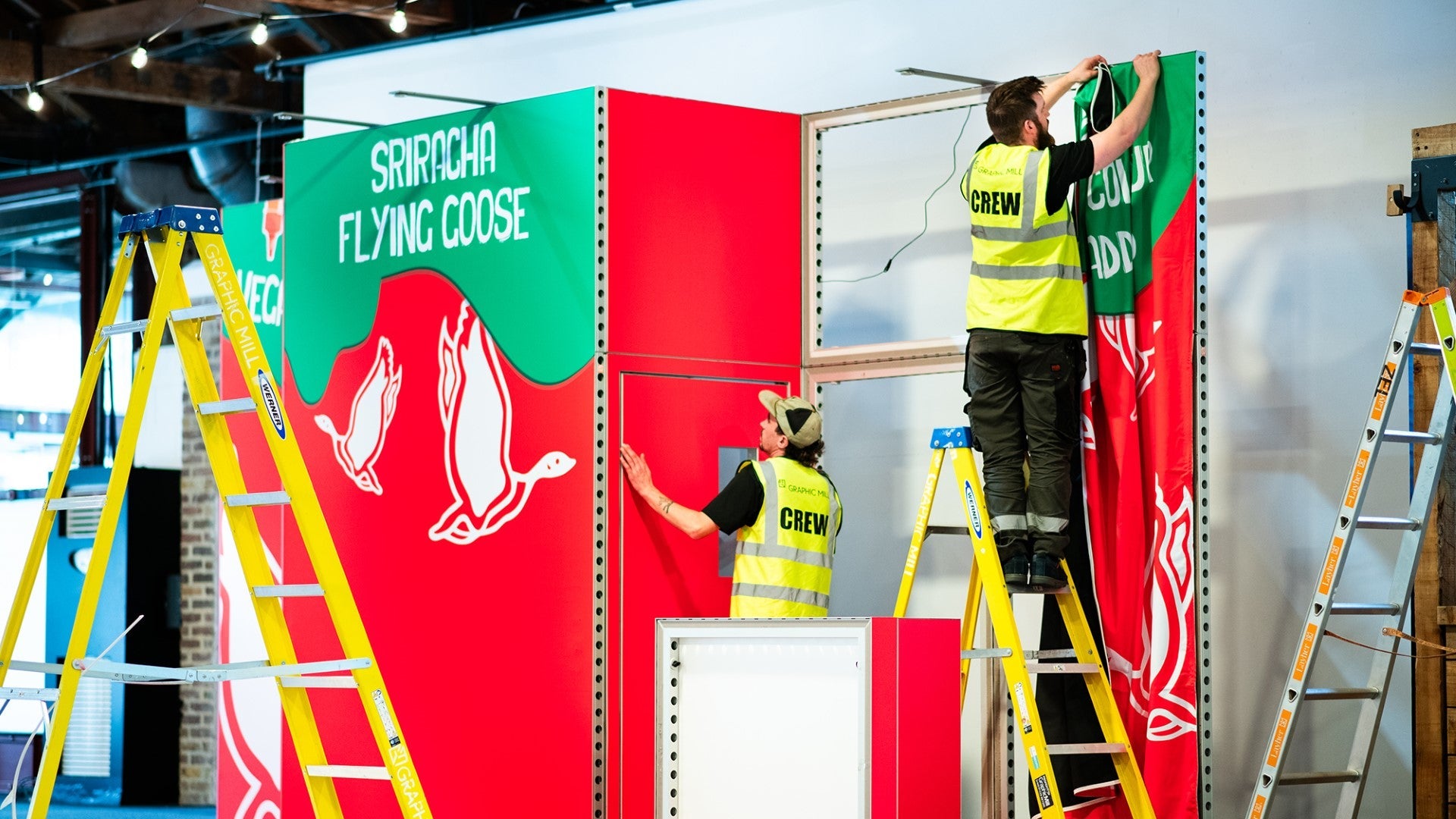
When installation day arrives, a few unexpected things will happen. Deliveries run late, doors open behind schedule, someone forgets a cable. This is normal for events. If your planning has been solid, your build partner will absorb most of the pressure. Stay available for decisions, but avoid redesigning anything at this stage.
Why this works
The panic usually begins when decisions drift. Late layout changes, delayed graphics and last minute content swaps all pile up around the three week mark and suddenly everything feels urgent.
If you lock the layout early and give graphics enough time, the whole project feels smoother. A clear timeline gives you space to handle surprises and makes the whole build far less stressful.
It also means you actually get to enjoy the show rather than firefighting it.
Share: